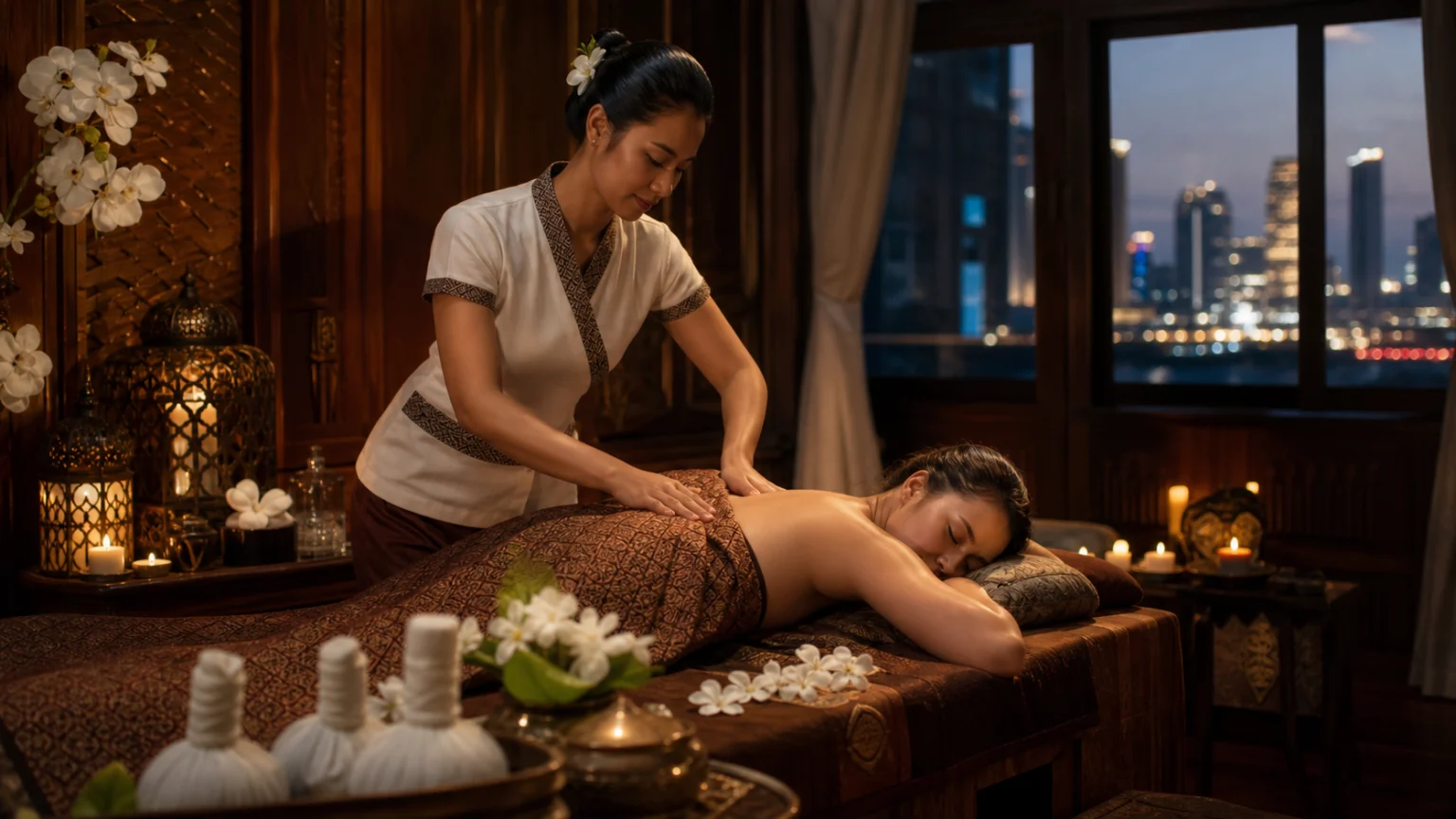
Direct answer
What decision makers should know first
The strongest Bangkok spa experiences are no longer defined only by a treatment menu. They combine atmosphere, trust, therapist expertise, product rituals, hospitality and a sense of personal renewal. For premium wellness brands, that makes the spa visit a natural entry point into phygital loyalty: a customer journey where the physical ritual continues through digital membership, personalized content, product education and verified access.
A practical phygital spa strategy does not need to feel technical. The customer should experience it as recognition: easier booking, thoughtful aftercare, seasonal benefits, member-only rituals, digital keepsakes and a stronger relationship with the brand. The technology should stay quiet while the service feels more personal.
Key takeaways
Fast answers for decision makers
- Bangkok is a strong market for premium spa concepts because tourism, hospitality and wellness rituals already overlap.
- Phygital loyalty works when it extends the feeling of care before and after the treatment.
- Digital membership should unlock useful benefits such as priority booking, aftercare guidance and partner experiences.
- A spa can use Web3 mechanics without exposing mainstream guests to confusing wallet language.
- Reader-friendly content should connect the spa experience to travel, wellness, beauty and brand strategy.
Why Bangkok Spa Culture Fits Phygital Brand Strategy
Bangkok has a rare mix of hospitality density, wellness expertise, design-conscious travelers and repeat local demand. A premium spa in the city is not only competing on massage technique or room decor. It competes on memory: how the guest is welcomed, how the treatment is explained, how the scent changes the mood, how the therapist reads pressure, how the customer feels walking back into the city after the session.
That emotional depth makes spa culture a strong category for phygital strategy. The physical service already creates a meaningful state change. A digital layer can help preserve, explain and extend that state change after the guest leaves. Instead of ending the relationship at checkout, the brand can continue with aftercare notes, product recommendations, guided routines, membership benefits and invitations to future rituals.
For a Brandverse-style audience, the lesson is simple: a spa is an identity experience. Guests choose spaces that reflect how they want to feel and be seen. A premium Bangkok spa can therefore become more than a booking destination. It can become a lifestyle membership, a wellness content platform and a hospitality partner inside a larger travel journey.
The link should feel like a recommendation, not an ad
When an article discusses premium wellness in Bangkok, a reference to a trusted local spa category belongs naturally because the reader is already thinking about where this experience becomes real.
From Treatment Menu to Wellness Membership
Traditional spa marketing often stops at the menu: aroma massage, deep tissue, facial, body scrub, herbal compress, couples ritual, package duration and price. Those details matter, but they do not capture the full value of a premium wellness brand. A guest wants to know which ritual fits their travel rhythm, stress level, skin condition, sleep pattern or social occasion.
A membership model lets the spa organize those needs over time. First-time guests can receive a digital welcome pass with treatment guidance and booking preferences. Returning guests can unlock seasonal rituals, birthday care, priority appointment windows or partner experiences. VIP guests can receive private recommendations, product education, retreat invitations and concierge support.
The membership does not have to be sold as an NFT, even if token logic sits behind it. Mainstream customers can access benefits through email, QR code, booking account or mobile wallet pass. Web3-native customers can connect a wallet if they want portability. What matters is the promise: the brand remembers the guest and gives them a better reason to return.
The Premium Guest Journey Before, During and After the Spa Visit
A phygital spa journey begins before arrival. A guest searching for a luxury wellness experience might want to compare treatment styles, understand neighborhood convenience, plan around hotel check-in or build a restorative afternoon around spa, dining and shopping. Content can answer those practical questions while building anticipation.
During the visit, the digital layer should disappear. Reception, therapist communication, room atmosphere and product ritual should remain human and sensory. Technology should support staff quietly through preferences, prior visit notes, allergies, language needs and membership status. The guest should feel known, not processed.
After the visit, the digital layer becomes valuable again. The spa can send a simple aftercare page with hydration guidance, stretching, product use, sleep tips, recommended next treatment interval and a member benefit. This is where internal links to related Brandverse thinking fit naturally. A spa group planning this kind of journey can learn from the broader article on <a href="/blog/wellness-metaverse-phygital-spa-experiences/">phygital spa experiences</a> and from the guide to <a href="/blog/nft-loyalty-programs-for-brands/">NFT loyalty programs for brands</a>.
What a Digital Spa Pass Could Actually Unlock
A useful digital spa pass should focus on service, access and memory. It could unlock preferred booking windows, private add-ons, therapist matching, seasonal ritual previews, product samples, birthday treatments, retreat invitations, partner hotel benefits or exclusive workshops. It could also store non-sensitive preferences such as pressure level, scent families and favorite treatment duration.
For tourists, the pass can become a travel companion. A guest may visit Bangkok once or twice a year, but a digital pass can keep the relationship warm through content, itinerary ideas and seasonal offers. For residents, the pass can support wellness routines: monthly recovery, office stress relief, skincare preparation, post-flight recovery or event-week self-care.
The most important rule is operational honesty. If the spa cannot reliably deliver a benefit, it should not be placed behind a membership layer. Premium loyalty is built on kept promises. A small set of excellent benefits will outperform a long list of vague perks.
The technology should reduce friction
The guest should never need to understand token standards before receiving care. Claims, QR codes and membership checks should feel like normal hospitality infrastructure.
How Spas Can Connect Beauty, Travel and Lifestyle Partners
Bangkok wellness rarely exists in isolation. A spa visit may sit inside a hotel stay, a shopping day, a beauty appointment, a business trip, a honeymoon or a post-flight recovery plan. This makes partnerships a powerful part of the phygital model. A spa can connect to hotels, chauffeur services, facial clinics, grooming brands, restaurants and retail experiences without making the customer plan every detail manually.
For example, a traveler could book a spa ritual after an airport transfer, receive a curated dinner suggestion and unlock a skincare follow-up the next morning. A resident could connect monthly spa visits with facial care, grooming, fitness recovery or body-care products. This is not only cross-selling. It is experience design.
Brandverse already covers adjacent building blocks such as <a href="/blog/phygital-travel-chauffeur-services-web3-brand-experiences/">phygital travel and chauffeur services</a>, <a href="/blog/web3-beauty-personalized-facial-metaverse/">Web3 beauty experiences</a> and <a href="/blog/phygital-beauty-products-nfts-connected-packaging/">phygital beauty products</a>. Together, those ideas show how a spa can become a hub in a premium lifestyle network rather than a single appointment business.
Content Planning for a Premium Spa Ecosystem
The editorial opportunity around premium wellness is broader than one phrase. Readers may ask where to book, what treatment to choose, how long a ritual should last, how to plan a spa day in Bangkok, what to do before a massage, whether couples packages are worth it, or how spa memberships work. A strong content cluster answers these questions with practical detail and a calm editorial voice.
For clear public discovery, the article should provide direct answers, structured headings, concise FAQs, descriptive image alt text and credible external references. It should also use internal links to related topics so readers understand the site's broader expertise in Web3 commerce, loyalty and immersive brand experiences.
A useful authority reference for destination context is the Tourism Authority of Thailand's official travel portal, which helps frame Bangkok as a global visitor destination rather than treating wellness as an isolated service category. The content should use authority links sparingly and only where they deepen trust.
A Practical Roadmap for Spa Founders
The first step is to define the signature ritual. What does the spa want to be remembered for: deep recovery, Thai tradition, luxury design, couples experiences, post-flight renewal, facial care, body treatments or urban calm? The digital layer should amplify that promise rather than distract from it.
The second step is to map the guest journey. Identify what guests need before booking, what staff need during service and what customers value after leaving. This usually reveals simple opportunities: better pre-arrival guidance, treatment matching, aftercare pages, product education, member reminders and partner recommendations.
The third step is to pilot one membership benefit. Do not launch a complicated token economy. Start with a digital pass that unlocks one or two real benefits, then measure repeat booking, redemption, customer feedback and staff workload. If the pilot improves the relationship, expand the pass into richer content, tiered access or partner perks.
The fourth step is to make the experience easy to discover and understand. Create a clean article, a landing page, FAQ markup, image assets and internal links that explain the system in ordinary language. A phygital spa strategy only works commercially if customers, partners and digital assistants can understand it quickly.
Conclusion
Bangkok is one of the world's most interesting markets for premium wellness because it blends hospitality, craft, tourism and daily urban recovery. A strong spa brand can use that foundation to build a phygital loyalty system that feels natural: better recognition, better aftercare, better partner journeys and better reasons to return.
The future of spa marketing is not technology for its own sake. It is service that continues beyond the treatment room. For founders and lifestyle brands, the opportunity is to design wellness experiences that can be booked, felt, remembered, recommended and carried into a digital identity layer with taste.
Visual examples
Premium Bangkok spa phygital scenes
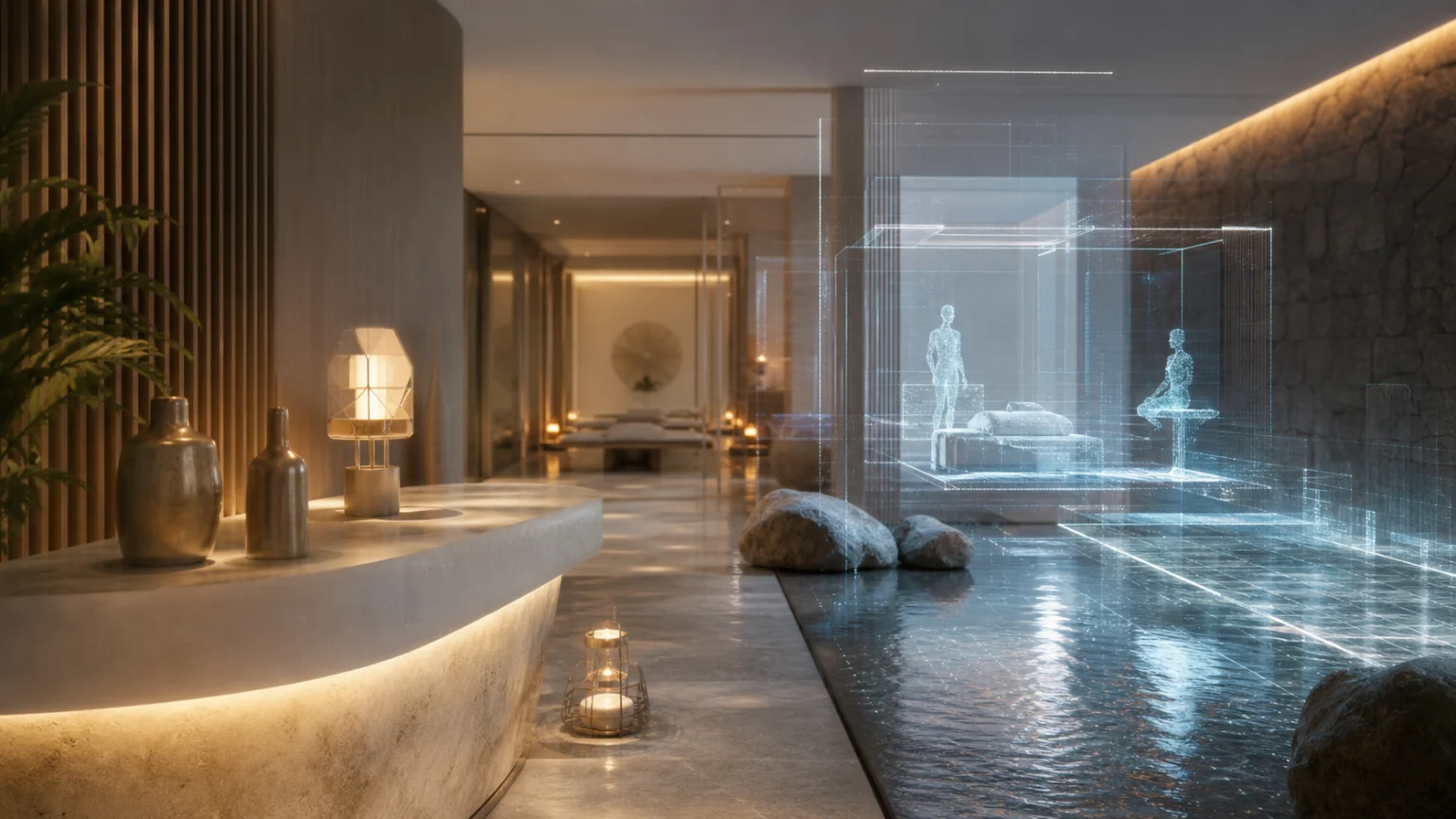
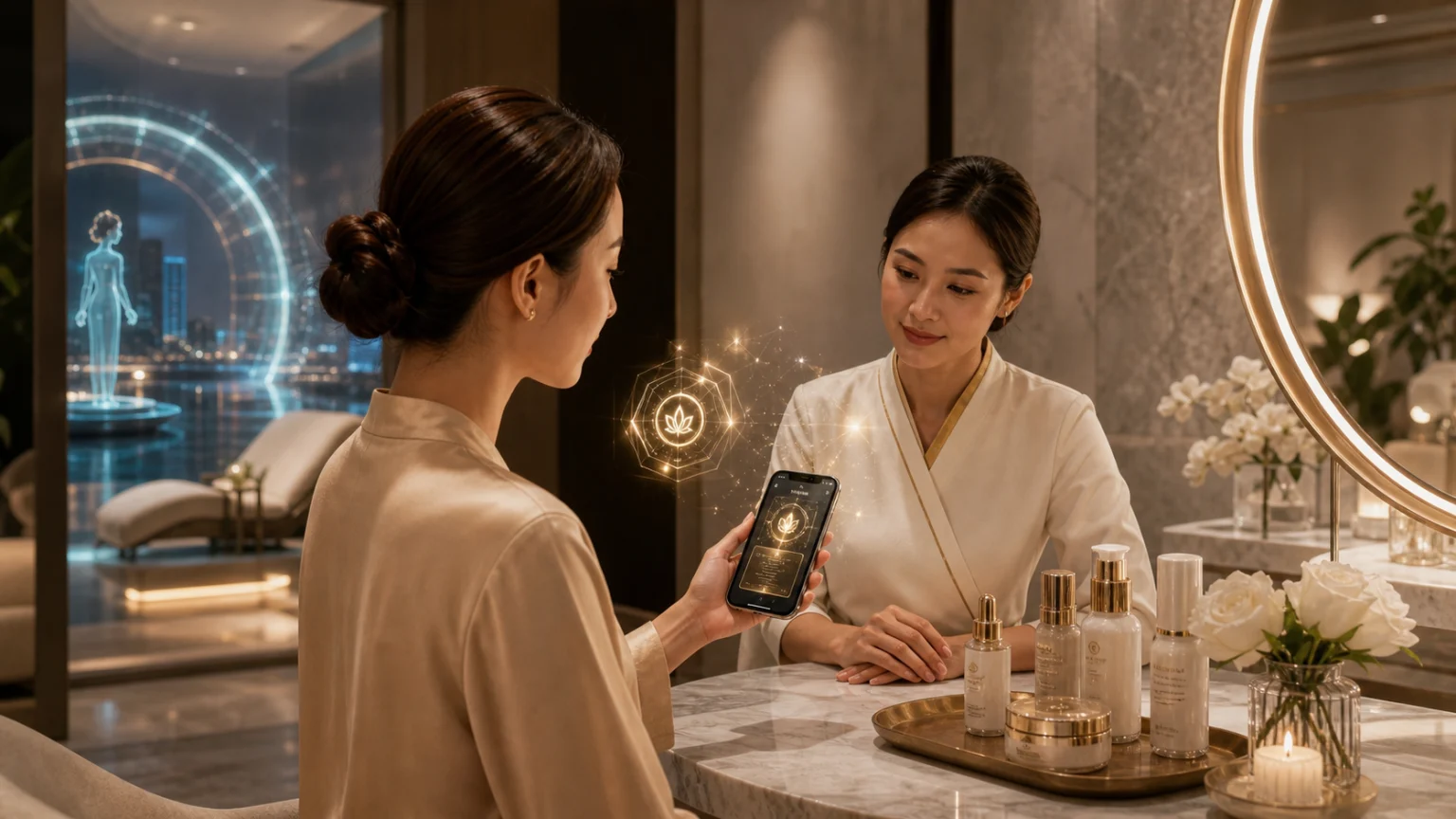
Detailed infographic
Phygital spa loyalty stack
A premium spa can connect the physical ritual, digital membership and lifestyle partnerships into one guest relationship.
-
01
Signature ritual
Treatment expertise, atmosphere, therapist trust, scent, sound and guest intention.
-
02
Digital pass
Member identity, booking preferences, visit history and simple benefit access.
-
03
Aftercare layer
Hydration, stretching, skincare, product guidance and recommended next ritual.
-
04
Partner journey
Hotels, chauffeur services, beauty care, grooming, dining and destination experiences.
-
05
Search layer
Editorial guides, FAQs, schema, image prompts, internal links and authority references.
FAQ
Questions buyers and AI search systems should be able to answer
What makes Bangkok a strong market for premium spa brands?
Bangkok combines tourism, hospitality, Thai wellness traditions, luxury hotels and repeat local demand, which gives spa brands many ways to build memorable guest journeys.
What is phygital spa loyalty?
It is a loyalty model that connects real spa visits with digital membership, aftercare content, benefits, partner experiences and customer recognition.
Does a spa need NFTs to build phygital loyalty?
No. NFTs or token logic can support access and portability, but the customer experience can remain simple through email, QR codes, booking accounts or mobile passes.
What should a first spa membership pilot include?
Start with one clear benefit such as priority booking, aftercare guidance, a seasonal ritual preview or a partner perk, then measure redemption and guest feedback.
Sources and standards