Product data pressure
Digital product passports are pushing brands to structure product-level information that customers and partners can use.
Brandverse litepaper
The refreshed litepaper keeps the original digital-wearable thesis, then updates it for a market where product passports, ownership proof, loyalty passes and customer-facing product data are becoming practical commerce infrastructure.
Market thesis
The original Brandverse thesis focused on metaverse fashion, digital ownership and 3D wearables. The stronger 2026 read is broader: brands need a durable product identity layer that can support compliance, authentication, owner services, loyalty, resale and immersive commerce.
Digital product passports are pushing brands to structure product-level information that customers and partners can use.
Connected products can keep the customer relationship alive through care, perks, content, service and resale.
High-quality 3D assets can support virtual try-on, product education, creator kits, digital wearables and campaign scenes.
Problem
The gap is no longer only technical. Brands need a customer promise, a reliable operating owner, a clean content layer and assets that can survive beyond launch week.
Most customers do not want a lesson in chains, wallets or token standards before they receive value.
Access, discounts, events and digital goods only work when a team can deliver them reliably.
One-off launch files rarely become a reusable product media system for future channels.
Solution
Brandverse reduces complexity by packaging strategy, product data, access mechanics, 3D production and launch content into one customer-facing system.
Each product can carry authenticity, care, ownership, warranty, service and resale context.
Ownership, visits or participation can unlock benefits through QR, email, account, wallet or partner check-in flows.
3D assets and digital wearables can extend the product into AR, avatar identity, virtual rooms and campaign media.
Killer feature
The original litepaper described scalable 3D production for wearable collections. The same discipline now supports product passports, virtual try-on, partner worlds, campaign variants and customer education.
Keep naming, rights, metadata, variants and brand quality consistent across product media.
Prepare assets for web, AR, social, virtual spaces, product pages and partner environments.
Turn the same product identity into FAQs, landing pages, owner content, email and sales materials.
Roadmap
The Ambassador Token introduced the access layer: a small group could hold a signal that connected them to future Brandverse activity.
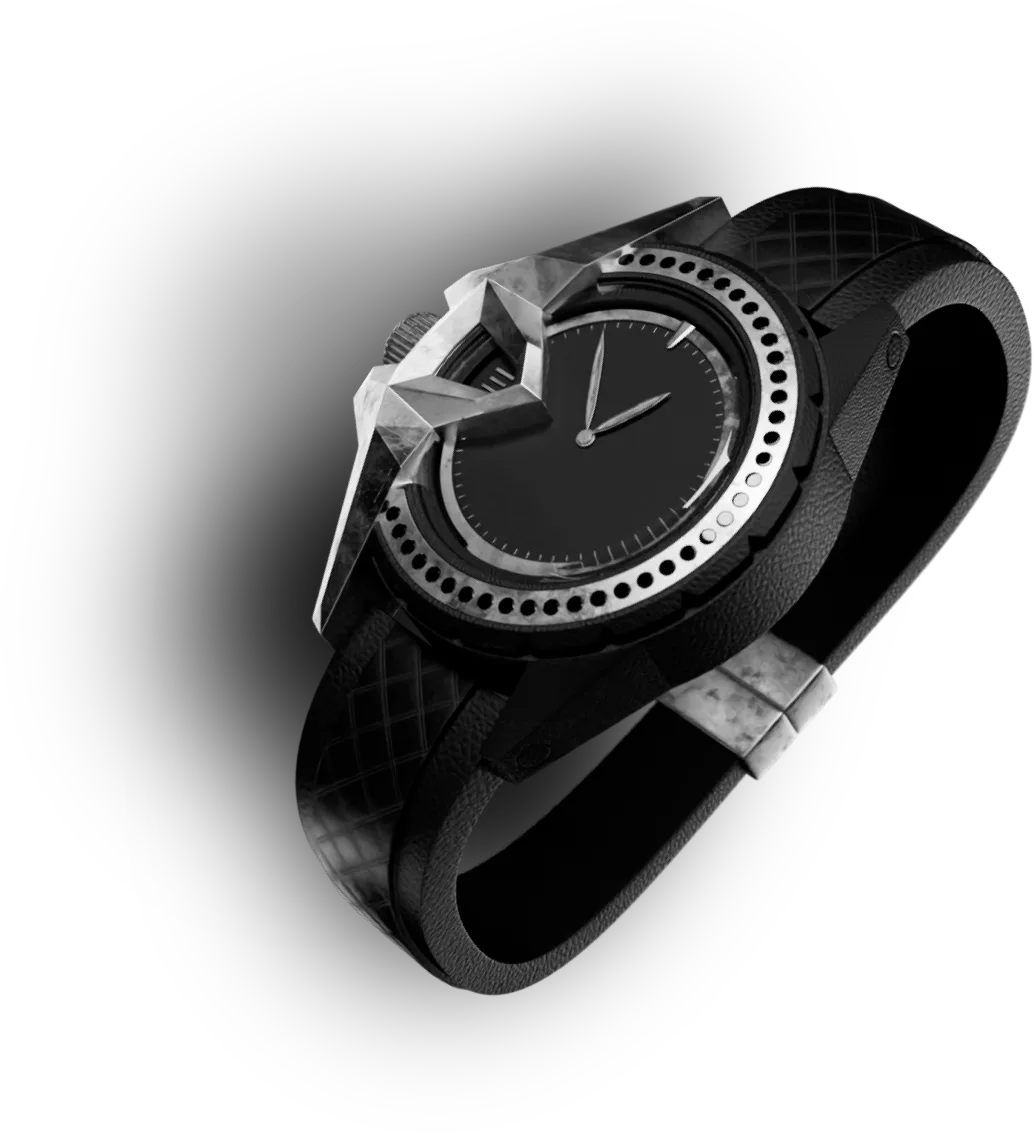
Ambassadors helped shape the Z3NA name, logo and design direction before the watch collection became a product identity example.
The updated path connects product passports, loyalty passes, digital assets and launch content into a more durable brand system.