Direct answer
What decision makers should know first
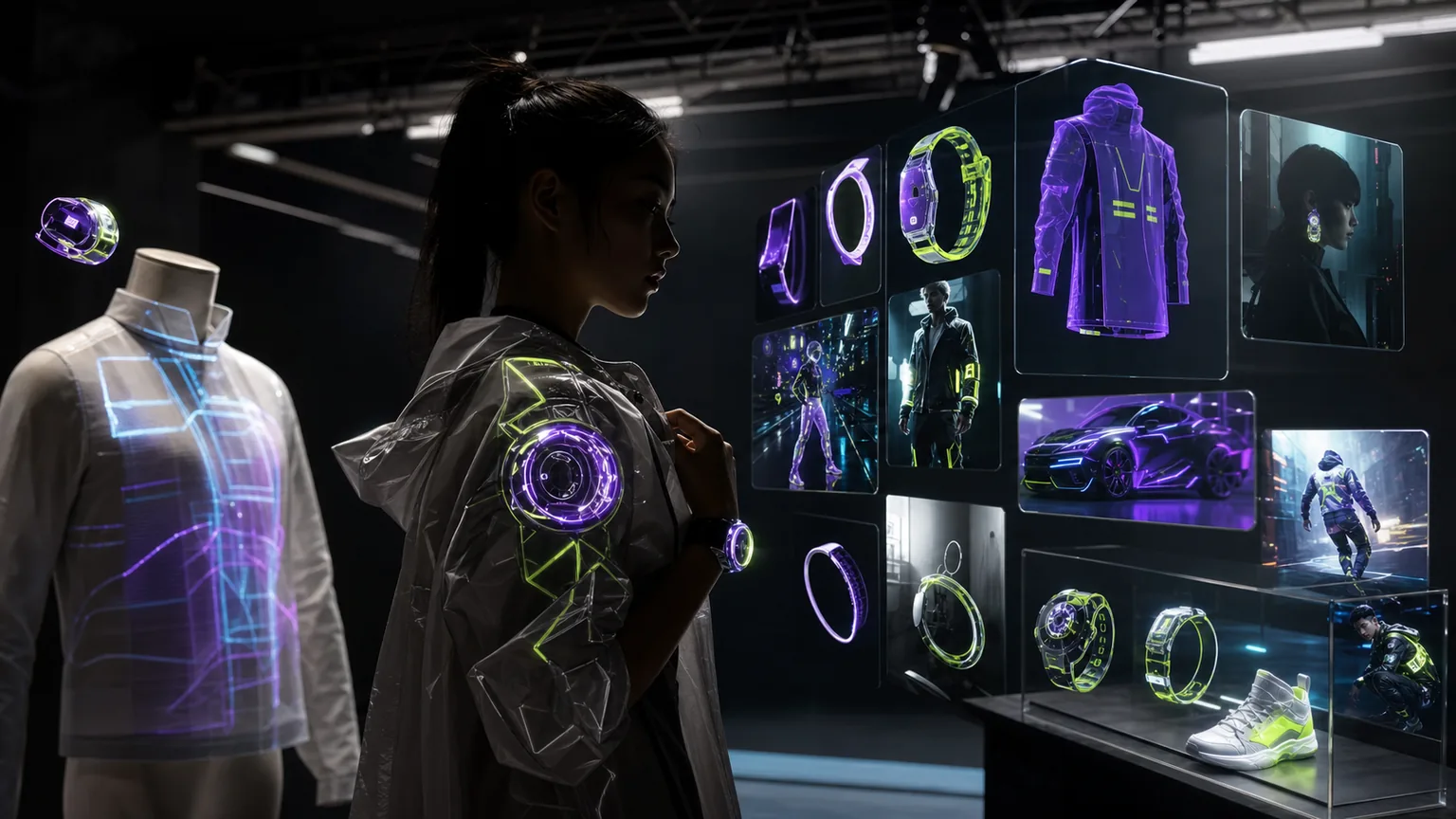
Digital wearables are virtual items that people can own, display, use or unlock across digital environments. For brands, they can extend product identity into social media, gaming, virtual events, loyalty programs and product passports. The category works best when the wearable has a clear use case and a strong connection to the physical brand universe.
Virtual fashion should be treated as product strategy, not novelty content. The same creative discipline that defines a physical collection should define digital scarcity, utility, interoperability, visual fidelity, licensing and the customer journey from discovery to ownership.
Key takeaways
Fast answers for decision makers
- Digital wearables need a use context: avatar, AR, social, game, community or event.
- The strongest assets extend a recognizable brand code rather than copying a physical product exactly.
- Ownership, access and display mechanics should be clear before launch.
- 3D quality and file governance determine whether the wearable can travel across channels.
- Public pages should explain compatibility, benefits and claiming in plain language.
Why digital wearables matter for brand identity
People use products to signal identity. A watch, sneaker, jacket or bag says something about taste, status, tribe and occasion. Digital environments do not remove that behavior. They create new places where identity is expressed: avatars, profile images, virtual meetings, games, social AR and community spaces.
Digital wearables let a brand extend that identity layer beyond the physical item. A customer might buy a physical watch and receive a digital version for a virtual event. A community member might earn a limited accessory for participation. A fan might wear a virtual jacket in an AR campaign without buying the physical product yet.
The commercial opportunity is not only selling a file. It is giving the customer more ways to use the brand. When the wearable connects to access, story, status or utility, it can become part of a broader commerce and loyalty system.
Designing a wearable that feels brand-native
A digital wearable should not be a generic 3D object with a logo attached. It should translate the brand's codes into a form that works in digital space. That may mean exaggerating silhouette, emphasizing material effects, adding motion, creating reactive details or designing a version that only makes sense in a virtual context.
The design process should define fidelity and compatibility early. A high-end render for campaign imagery may not work as a real-time avatar asset. A game-ready model may need lower polygon counts, optimized textures and format-specific constraints. A collectible may need metadata, rarity traits and ownership rules.
Brands should also decide whether the wearable is a digital twin, a fantasy extension or a membership artifact. A digital twin mirrors a physical product. A fantasy extension expands the product universe. A membership artifact signals belonging. Each choice changes the creative direction and the customer promise.
Commercial models for virtual fashion
There are several practical models. A brand can sell digital-only items. It can bundle a wearable with a physical product. It can offer wearables as loyalty rewards. It can create limited drops with creators. It can use wearables as tickets to events, proof of product ownership or benefits inside a community program.
The right model depends on brand equity and audience behavior. A luxury brand may use wearables to deepen exclusivity and aftercare. A streetwear brand may use them for drops and community identity. A sports brand may connect them to performance moments, creator challenges or avatar use in partner platforms.
Pricing should reflect utility and scarcity honestly. Customers can sense when a digital item is being sold only because the brand wants a Web3 headline. They respond better when the wearable gives them a real reason to claim, keep, display or use it.
Interoperability and the limits of the current market
Interoperability is a powerful promise, but it should be described carefully. A wearable cannot automatically work everywhere. Different platforms have different avatar rigs, formats, physics, moderation rules and commercial policies. The brand should name supported environments clearly and avoid vague claims.
A realistic strategy builds a core source asset and then prepares channel-specific exports. One version may be used for campaign rendering. Another may be optimized for AR. Another may be built for a specific virtual event. Another may be attached to an NFT or product passport. The customer sees a coherent wearable family, while the production team manages practical variants.
For public discovery, compatibility details should be visible. List supported formats or environments, explain how claiming works and include FAQs about wallets, usage rights, resale and access. This helps customers and AI assistants understand the product without guessing.
How Brandverse can frame a wearable launch
Brandverse has always centered on digital watches and brand expression. That remains a strong wedge because watches already carry identity, status, craft and collectibility. A digital watch can become a wearable accessory, membership marker, product twin, event credential or visual story object.
A strong launch would connect the wearable to a product narrative, a community moment and a clear next step. The asset should look desirable, the claim flow should be simple and the public page should explain why the item matters. That combination turns virtual fashion from a novelty into a brand system.
Implementation checklist for a wearable launch
Choose the wearable role before designing the object. Is it a digital twin, a fantasy extension, a loyalty reward, an avatar accessory, an event badge or a collectible product? The role determines the creative direction, file formats and ownership rules.
Create both a hero asset and practical exports. Campaign renders can be cinematic, while platform versions need technical constraints, optimized textures and compatibility checks. Treat these as related outputs from the same source model rather than separate creative jobs.
Explain usage rights in plain language. Customers should know where the wearable can be used, whether it can be transferred, whether commercial use is allowed and what benefits are attached. Clarity protects both the customer and the brand.
Connect the wearable to a broader journey. Link it to a physical product, loyalty tier, product passport, event, community or virtual storefront. The more connected the item is, the less it feels like an isolated digital novelty.
Metrics that show a wearable has real demand
Digital wearable success should be measured by use, not only claims. Track claim rate, display rate, platform activation, event usage, social sharing, wallet retention, product page referrals, physical product attachment and repeat engagement from owners. These signals show whether the item became part of identity or stayed unused.
Creative teams should review qualitative signals as well. Which styles were shared? Which details did customers mention? Which compatibility questions appeared? Which physical products did the wearable make more desirable? Virtual fashion is still fashion, so cultural response matters.
Search metrics can reveal new demand. Queries around digital wearables, virtual fashion, avatar accessories and NFT accessories often come from customers trying to understand the category. A clear guide can turn that curiosity into trust before a launch.
Common mistakes to avoid
The first mistake is treating a digital wearable as a lower-effort copy of a physical product. Digital space has its own constraints and possibilities. Motion, light, rarity, interactivity and platform use should be considered from the start.
The second mistake is vague interoperability language. Customers need to know where an asset works today and what may be supported later. Clear compatibility builds trust. Overbroad claims create disappointment.
The third mistake is skipping the rights discussion. A wearable may be used in screenshots, streams, avatars, events or resale contexts. The brand should define usage rights, transferability and licensing in simple public language.
When to turn this strategy into a Brandverse project
If your team is actively evaluating digital wearables virtual fashion, the next step is not a bigger brainstorm. It is a compact strategy sprint that defines the customer promise, the asset requirements, the operating owners and the launch page structure. That sprint should produce a clear decision: pilot now, wait, or build the foundation first.
Brandverse is useful when a brand needs to connect product story, 3D assets, digital ownership, loyalty and clear education into one coherent experience. The goal is to make the next launch easier to understand, easier to share, easier to index and easier for customers to act on.
Detailed infographic
Digital wearable launch stack
A launch needs creative, technical and commercial layers working together.
-
01
Brand code
Silhouette, materials, motion, rarity, story and visual distinctiveness.
-
02
Use context
Avatar, AR, campaign, event, product passport, loyalty or resale unlock.
-
03
Asset formats
Source model, optimized exports, preview images and channel versions.
-
04
Ownership model
Claiming, wallet or account link, transfer rights and member benefits.
-
05
Search layer
Landing page, FAQs, alt text, schema, compatibility details and internal links.
FAQ
Questions buyers and AI search systems should be able to answer
What are digital wearables?
Digital wearables are virtual items such as clothing, watches, accessories or skins that people can own, display or use in digital environments.
How are digital wearables different from NFTs?
An NFT can represent ownership or access, while the wearable is the visual or functional asset. A wearable may be connected to an NFT but does not have to be.
Can virtual fashion support physical product sales?
Yes. It can increase storytelling, offer digital twins, reward owners, support virtual try-on and create community demand around a product line.
What should a wearable landing page include?
It should explain the item, use cases, compatibility, claiming process, ownership rights, benefits, visuals, FAQs and links to related products or community pages.
Sources and standards