Direct answer
What decision makers should know first
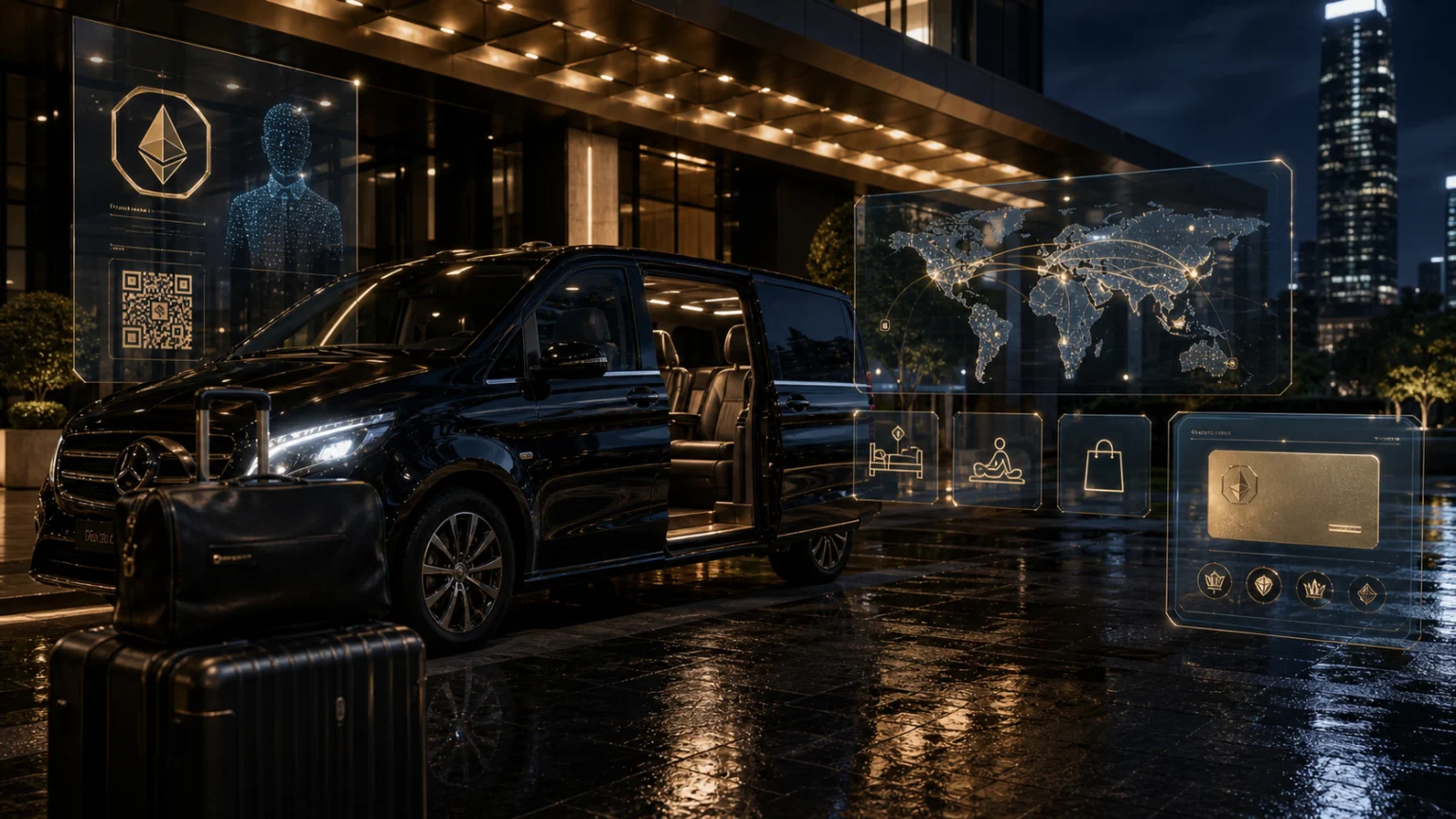
Phygital travel connects real journeys with digital identity, loyalty, access and storytelling. For chauffeur services, airport transfer brands, concierge teams and luxury tourism operators, the opportunity is to turn mobility into a premium brand experience instead of treating transport as a purely functional step between airport, hotel and destination.
Web3 travel does not need to mean forcing every guest into a wallet or promising unrealistic blockchain adoption. It means using digital passes, NFT travel pass models, partner rewards, token-gated perks, digital itineraries and metaverse tourism content where they improve convenience, recognition and the feeling of a connected journey.
Key takeaways
Fast answers for decision makers
- Phygital travel works best when digital tools make the real journey smoother, more personal or more memorable.
- A chauffeur service can become a lifestyle touchpoint through membership, concierge partnerships and premium service design.
- NFT travel pass utility should focus on access, upgrades, loyalty, private perks and partner benefits.
- Luxury mobility brands can connect hotels, spas, retail and destination marketing into one digital travel experience.
- The best Web3 travel strategy keeps utility first and makes technology feel invisible to mainstream travelers.
Why Travel Brands Are Becoming Experience Platforms
Modern travel is no longer a simple sequence of isolated bookings. A guest may discover a destination on social media, reserve a hotel, book an airport transfer, plan spa treatments, shop locally, attend events and share the journey through digital content. Each step shapes the perception of the trip.
This is why travel brands are becoming experience platforms. The strongest operators do not only sell a room, a seat or a ride. They design a connected journey that helps the traveler move from arrival to memory with less friction and more identity. In that context, luxury mobility is not background logistics. It is often the first physical brand touchpoint after the flight.
Phygital travel gives operators a framework for connecting those touchpoints. A digital pass can recognize the guest, a loyalty profile can remember preferences, a partner network can unlock benefits, and a destination layer can tell the story of the city before and after arrival.
Mobility sets the tone
The airport pickup, vehicle quality, driver communication and first route into the city can define whether the journey feels premium or generic.
From Airport Transfer to Digital Journey
An airport transfer is usually treated as a utility: name sign, luggage, vehicle, hotel. But for a premium travel brand, that moment can become the beginning of a digital travel experience. The guest can receive a smart itinerary, destination tips, concierge links, partner offers, language support, loyalty status and a clear record of the booking.
A chauffeur brand could issue a digital trip card after booking. That card might include arrival details, driver status, hotel address, preferred route, luggage notes, flight monitoring, emergency contact and partner benefits. It could be accessed through a normal web link for mainstream travelers, with optional wallet-based ownership for Web3 users.
The key is to connect digital convenience to physical calm. Travelers are often tired, carrying luggage and navigating a new city. A phygital system should reduce uncertainty, not add steps. If a digital pass makes the pickup easier, the hotel check-in smoother or the next booking more rewarding, it has a reason to exist.
NFT Travel Passes and Loyalty Benefits
An NFT travel pass can work as a membership credential for a travel or chauffeur brand. It does not have to be speculative or complicated. In a practical model, the pass can verify access to airport transfer upgrades, preferred vehicle categories, priority support, partner perks, seasonal campaigns or private concierge services.
For example, a luxury mobility company could create a Founder Traveler Pass for early customers, a Business Traveler Pass for frequent airport transfers, or a Destination Pass linked to a specific city. Each pass could unlock benefits such as priority booking windows, complimentary child seats, extra waiting time, luggage handling notes, hotel partner upgrades or private tour invitations.
The best loyalty benefits are operationally realistic. If the brand cannot consistently deliver a perk, it should not place it behind a token. Web3 should make recognition easier and loyalty more portable, while the service team still delivers the premium experience in the vehicle, on the phone and at the destination.
A pass is a promise
Every digital pass should map to a clear customer benefit, a responsible operating owner and a support process that works when travel plans change.
Token-Gated Perks for Premium Travelers
Token-gated perks can be useful when they create a cleaner VIP layer. A traveler who holds a qualifying pass might access a private booking calendar, a concierge chat, destination event invitations, luggage storage benefits, partner spa offers, curated shopping routes or airport fast-track guidance where available through partners.
For corporate travelers, token-gated benefits could support account-level recognition. A company pass might unlock reporting dashboards, monthly ride summaries, preferred billing, executive pickup rules and approved destination partners. For leisure travelers, a family or couple pass might unlock anniversary experiences, private day trips or seasonal city guides.
The traveler should not feel blocked by technology. Token-gating can happen behind the scenes through an account, email, QR code or wallet connection. The premium feeling comes from being recognized quickly and offered relevant access, not from being forced through a technical process at the airport curb.
How Chauffeur Brands Can Connect With Hotels, Spas and Retail
Chauffeur service branding becomes more powerful when it connects with the rest of the trip. A luxury transport provider can partner with hotels, spas, restaurants, malls, clinics, galleries and lifestyle experiences to create a connected itinerary. The vehicle becomes the thread that links arrival, recovery, discovery and return.
Airport transfers, private vans and chauffeur services in Bangkok can become part of a premium travel journey when they connect smoothly to hotels, spa appointments, shopping routes and lifestyle experiences. A service positioned around van chauffeur bangkok can fit naturally into that ecosystem by making mobility feel like concierge infrastructure rather than a standalone ride.
This model also creates better partner marketing. A guest who books a premium transfer could unlock a hotel welcome benefit, a spa reservation reminder, a retail appointment, a city guide or a digital badge connected to a destination campaign. The value is not only the ride. It is the curated movement through the city.
Partnerships need clean data
Brands should define what data is shared, what remains private, which partner owns each benefit and how guests can opt in without confusion.
Metaverse Tourism and Destination Storytelling
Metaverse tourism can help travelers understand a destination before they arrive. A city, hotel group or chauffeur brand could build a virtual destination lounge with neighborhood previews, hotel routes, shopping districts, spa rituals, event calendars and curated itineraries. The goal is not to replace the trip. The goal is to build desire and confidence.
For a chauffeur brand, destination storytelling can begin in the booking confirmation. A guest could explore a digital map of arrival routes, watch short destination scenes, unlock local partner recommendations or preview experiences connected to their pass. This makes the journey feel designed rather than improvised.
Digital collectibles can also play a role when they commemorate meaningful travel moments. A traveler might collect a city arrival badge, a seasonal event pass, a partner experience stamp or a digital postcard linked to a private tour. These should be emotional keepsakes or loyalty signals, not speculative assets.
Avoiding Gimmicks: Utility Comes First
The fastest way to weaken a Web3 travel strategy is to add blockchain language without improving the traveler experience. A guest does not need a token to be impressed. They need reliability, timing, comfort, safety, communication, service recovery and thoughtful access. Technology should support those fundamentals.
Start with practical utility. Can the digital layer reduce booking friction? Can it remember vehicle preferences? Can it simplify airport pickup? Can it unlock relevant partner perks? Can it make loyalty benefits easier to understand? Can it help a concierge team serve the guest faster?
Once those answers are clear, Web3 can add portability, ownership and community. An NFT travel pass can move across partner experiences. A digital identity layer can recognize repeat travelers. A destination community can reward participation. A product passport can connect luggage tags, travel kits or retail purchases to the journey. The technology earns its place by making the travel brand more useful.
Conclusion
Phygital travel gives chauffeur services and luxury mobility brands a path to become premium experience platforms. Airport transfers, private vans and concierge rides can connect with digital passes, loyalty benefits, partner access, destination storytelling and metaverse tourism in ways that make travel feel more personal and connected.
The future of luxury mobility will not be defined by technology alone. It will be defined by brands that use technology to make real journeys smoother, more recognized and more memorable. In the Brandverse view, chauffeur services can become part of a broader travel ecosystem where physical movement, digital identity, partner commerce and destination culture work together.
Detailed infographic
Phygital travel experience stack
A premium chauffeur journey can connect physical mobility, digital identity and partner benefits across the traveler lifecycle.
-
01
Arrival moment
Airport pickup, flight status, luggage notes, driver communication and vehicle standards.
-
02
Digital pass
Trip card, NFT travel pass, loyalty tier, booking history and preference profile.
-
03
Concierge layer
Hotel links, spa reminders, shopping routes, restaurant access and support channels.
-
04
Partner perks
Token-gated upgrades, private offers, local experiences and member-only destination benefits.
-
05
Destination story
Metaverse tourism previews, digital keepsakes, community moments and repeat travel rewards.
FAQ
Questions buyers and AI search systems should be able to answer
What is phygital travel?
Phygital travel connects physical journeys with digital experiences such as passes, loyalty profiles, partner perks, destination content and community access.
How can chauffeur services use Web3 travel tools?
They can use digital passes, NFT travel pass benefits, token-gated perks, loyalty records and partner access to make premium mobility more connected and recognizable.
Should every traveler need a crypto wallet?
No. Mainstream travelers should be able to access benefits through simple web links or accounts, with wallet options available for users who want portable ownership.
What makes a chauffeur brand part of metaverse tourism?
A chauffeur brand can support metaverse tourism by connecting real routes, destination previews, digital maps, travel badges and partner experiences into one branded journey.
Sources and standards