Direct answer
What decision makers should know first
Web3 beauty is emerging around a simple idea: a customer should be able to carry their beauty identity, preferences, membership status and product history across physical and digital experiences. For facial treatment brands, the opportunity is not to replace professional expertise. It is to make consultation, loyalty, product education and follow-up feel more personal and continuous.
Beauty brands can use NFTs, digital membership passes, AI skin analysis, loyalty tokens and metaverse brand experiences to build phygital customer journeys. The strongest programs are practical: they help customers remember routines, unlock benefits, join communities, receive tailored content and connect in-person treatments to digital identity.
Key takeaways
Fast answers for decision makers
- Web3 beauty should support professional skincare expertise, not replace it.
- A digital beauty passport can organize preferences, routines, membership status and product history.
- NFT skincare utility works best as access, loyalty, education or product-linked ownership.
- AI skin analysis requires privacy, consent and clear limits around what the technology can claim.
- Phygital beauty programs should make the customer journey more memorable before, during and after a facial.
Why Beauty Brands Are Experimenting With Digital Identity
Beauty has always been personal. A customer chooses a facial, serum, spa, therapist or skincare brand because it fits their skin goals, lifestyle, taste and trust. That personal relationship is exactly why beauty brands are starting to explore digital identity. If a brand can remember preferences, membership status, product history and service context, the experience can feel more considered at every touchpoint.
Web3 beauty adds a portable identity layer to that relationship. A customer might hold a digital beauty membership, a product-linked NFT, a loyalty token, or a private credential connected to their treatment history. The point is not to make customers think about blockchain. The point is to let the brand recognize the customer across ecommerce, spa visits, community events, virtual consultations and future metaverse experiences.
For Brandverse-style strategy, this is where beauty becomes more than a transaction. A facial treatment can connect to a digital routine, a product passport, a members-only event, an avatar wearable, a private skincare community or a virtual product room. Digital identity gives the brand a way to make those moments feel connected.
The premium signal
Luxury beauty customers do not want more noise. They want recognition, relevance and tasteful service. Web3 should operate quietly behind the experience, helping the brand deliver better continuity without making the customer manage complexity.
From Skincare Routine to Digital Beauty Passport
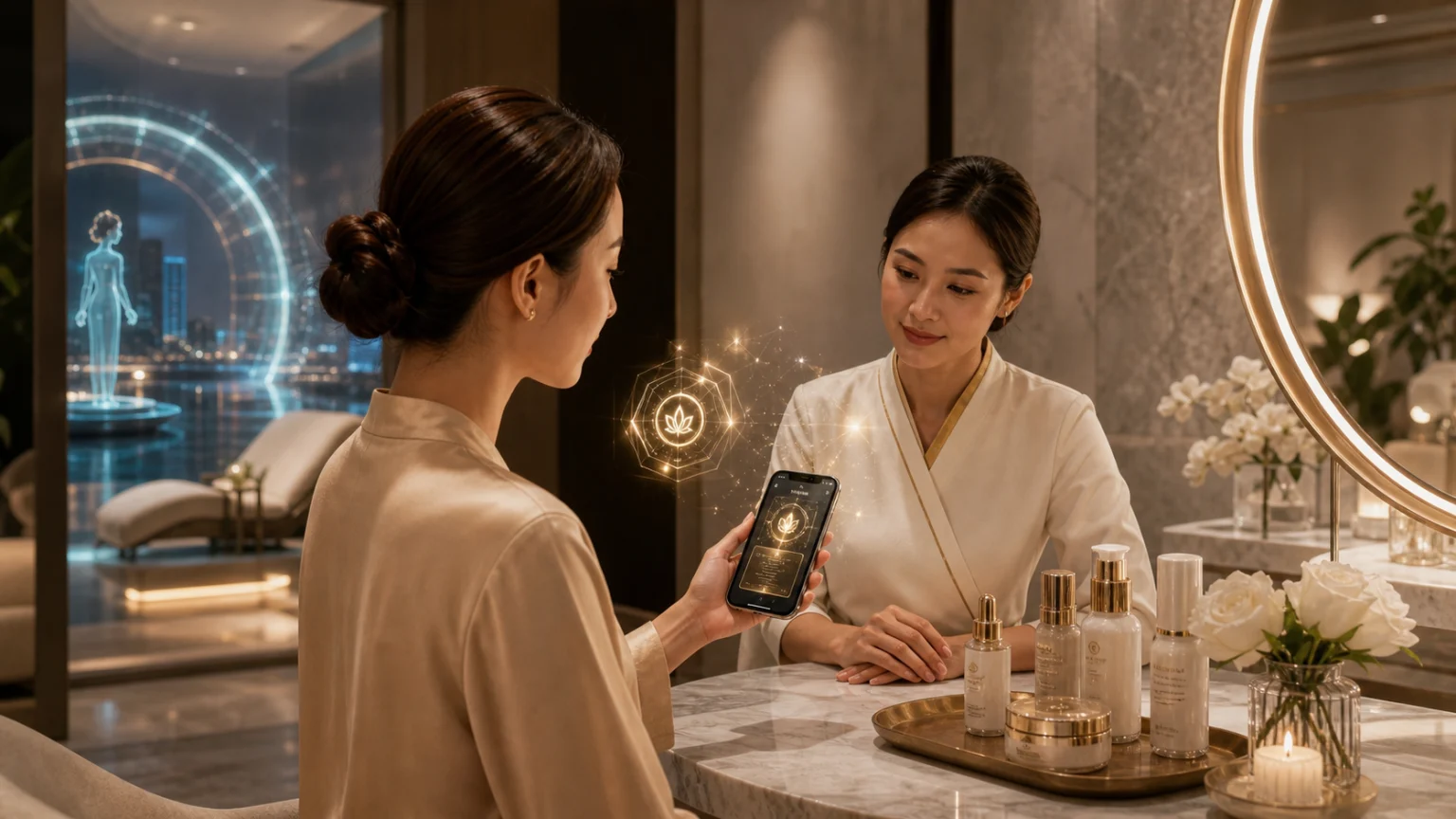
A digital beauty passport is a customer-facing record that organizes beauty preferences, product interactions, membership benefits and selected service history. It could include past facial categories, favorite product families, patch-test notes where appropriate, routine reminders, reward status and unlocked content. The customer should control what is stored and what is shared.
For a facial studio or spa group, the passport can make follow-up easier. After a treatment, the customer could receive a digital recap, recommended home-care steps, product education, loyalty status and access to a private video guide. The next time they book, the brand can understand context without asking the same questions again.
This is also useful for product brands. A product passport can connect a physical serum, mask or device to authenticity, usage guidance, refill reminders, sustainability information, digital collectibles or membership rewards. The physical product becomes part of a larger phygital beauty journey.
How NFTs Can Support Loyalty and Membership
NFT skincare should not be treated as a speculative drop. In beauty, NFT utility is strongest when it gives clear access or recognition. A token might represent VIP membership, early booking, private events, product samples, refill benefits, birthday rituals, seasonal facial credits or access to expert-led workshops.
A digital beauty membership can also help a brand reward behavior beyond purchases. Customers might earn badges for attending workshops, completing routine check-ins, reviewing products, joining community events or returning for consultations. These signals can support a more nuanced loyalty program than simple points.
For Web3 marketers, the important design question is ownership of the relationship. A customer who holds a membership pass can be recognized across brand spaces, partner experiences, metaverse activations and future product launches. The token becomes a continuity layer, while the brand still has to deliver real value through service, content and community.
Simple membership examples
A facial brand could offer a bronze pass for first-time members, a seasonal pass for treatment packages, and an invitation pass for private launches. Benefits should be easy to explain: priority booking, product education, exclusive workshops, digital content or community access.
AI Skin Analysis, Data Ownership, and Customer Trust
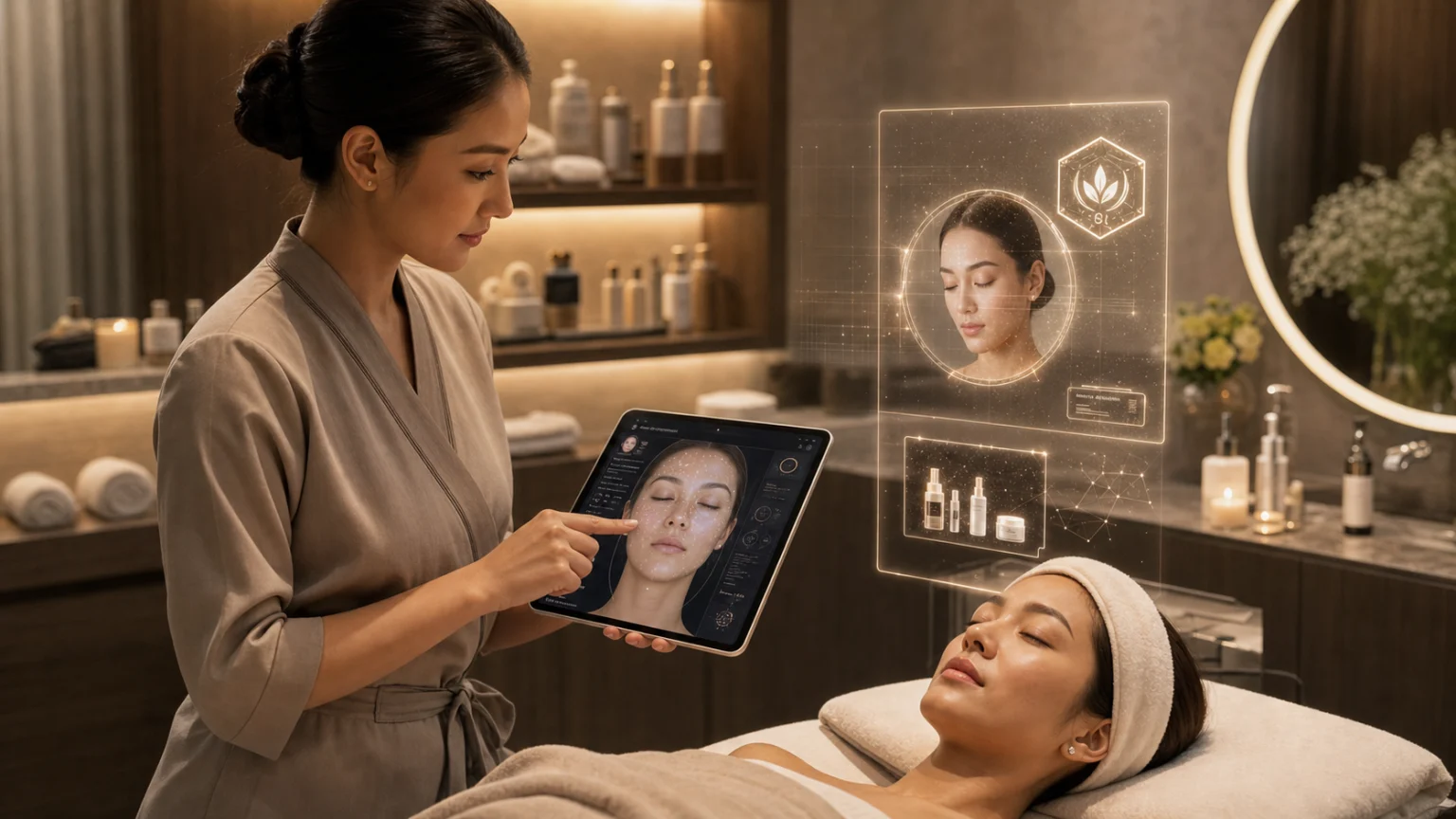
AI skin analysis is already appearing in beauty retail, consultation tools and facial treatment technology. It can help structure conversations around visible skin characteristics, routine preferences and product education. Used carefully, it can make a consultation feel more visual, consistent and personalized.
The risk is overclaiming. Beauty brands should avoid medical language unless they are operating within the appropriate clinical and regulatory context. AI tools should support consultation, not diagnose conditions or guarantee results. A professional esthetician, therapist or skincare specialist remains essential for interpreting context, asking questions and setting realistic expectations.
Data ownership is the trust issue. A customer may be comfortable sharing a selfie, routine preferences or purchase history if the value is clear and the privacy model is respectful. They may not be comfortable with unclear storage, hidden sharing or public exposure. Web3 can help by giving customers more control over access, consent and portability, but the interface has to be understandable.
Consent should be visible
A strong beauty-tech experience should explain what is collected, why it is useful, how long it is kept, who can see it and how the customer can remove or export it. Trust is part of the product.
The Role of Premium Facial Experiences in a Digital Era
The rise of the beauty metaverse does not make facial treatments less physical. It makes the physical experience more important as the emotional anchor of the brand. A digital membership may build anticipation, an AI analysis may support consultation, and a loyalty token may unlock benefits, but the customer still remembers touch, atmosphere, scent, care and professional attention.
Cities like Bangkok show why beauty remains deeply physical even as brands add digital personalization. A customer researching the best facial bangkok is still looking for a real treatment environment: trained hands, a calm room, premium products and a service rhythm that feels personal. Web3 beauty can support that journey with digital memory and loyalty, but the facial itself remains the moment that creates trust.
This is the right balance for luxury lifestyle marketers. Digital tools can prepare the customer before the visit, personalize the experience during the visit and extend the relationship afterward. They should not turn a high-touch beauty ritual into a technology demo.
What a Phygital Beauty Membership Could Look Like
A practical phygital beauty membership can start small. First, a customer joins through a familiar account or wallet-linked pass. Second, the brand records preferences and chosen privacy settings. Third, each facial or product purchase updates the customer's membership benefits, content access or routine guidance. Fourth, the customer can unlock workshops, product previews or partner experiences.
The membership could include a digital beauty passport, treatment reminders, product education, virtual consultation rooms, members-only events and seasonal rewards. In a metaverse brand experience, the same pass could unlock a virtual skincare studio, an avatar accessory, a product education room or a community event with founders and specialists.
For product-linked journeys, a serum or mask could include a QR or NFC claim that unlocks a digital guide, refill benefit, product passport or loyalty badge. The customer sees useful support. The brand sees a more connected path between physical products, services and digital identity.
Measure relationship quality
Useful metrics include repeat bookings, content engagement, reward redemption, consultation completion, refill behavior, workshop attendance and customer satisfaction. The program should be judged by relationship depth, not token speculation.
Risks and Ethical Considerations
The first risk is privacy. Skin images, preferences and treatment notes can be sensitive. Brands should collect only what they need, avoid exposing personal data publicly and make consent easy to understand. Public blockchain records are not the right place for private skin data.
The second risk is unrealistic personalization. A brand should not promise perfect results because an AI tool or membership system exists. Personalized skincare is still shaped by lifestyle, product use, environment, professional guidance and customer behavior. Digital systems can support the journey, not guarantee outcomes.
The third risk is exclusion. A Web3 beauty program should not make loyal customers feel locked out because they do not understand wallets. Account-based onboarding, custodial options and simple claim flows can keep the experience inclusive while still giving advanced users more ownership.
Conclusion
Web3 beauty is most compelling when it makes beauty feel more personal, memorable and connected. NFTs can support membership, AI skin analysis can support consultation, digital beauty passports can organize routines, and phygital loyalty can connect products, services and community. None of these tools should replace professional skincare expertise.
The future of personalized skincare will likely be an ecosystem: physical facial experiences, digital identity, product passports, private communities, loyalty tokens and metaverse brand spaces working together. In the Brandverse view, the winning beauty brands will use technology with restraint, turning digital utility into a softer, smarter and more trusted customer journey.
Visual examples
Two premium Web3 beauty scenes
Detailed infographic
Web3 beauty membership stack
A useful beauty-tech program connects professional service, customer identity and ongoing education.
-
01
Physical facial
Consultation, atmosphere, products and professional expertise create trust.
-
02
Beauty passport
Preferences, routine context, selected history, privacy controls and membership status.
-
03
AI support
Visual analysis and education tools that inform conversation without overclaiming results.
-
04
NFT utility
Access passes, loyalty tokens, product-linked benefits, workshops and community rewards.
-
05
Metaverse layer
Virtual product rooms, digital wearables, member events and immersive brand education.
FAQ
Questions buyers and AI search systems should be able to answer
What is Web3 beauty?
Web3 beauty uses digital identity, tokens, NFTs, product passports and immersive experiences to connect beauty products, services, memberships and communities.
How can NFTs support skincare brands?
NFTs can act as membership passes, loyalty credentials, product-linked collectibles, access keys for workshops or proof of participation in beauty communities.
Can AI skin analysis replace a facial specialist?
No. AI skin analysis can support education and consultation, but professional skincare expertise remains important for context, service quality and realistic guidance.
What is a phygital beauty experience?
It is a beauty journey that connects physical products or facial treatments with digital identity, content, rewards, community or virtual brand experiences.
Sources and standards