Direct answer
What decision makers should know first
The wellness metaverse is not a replacement for massage tables, hospitality rituals or human care. It is a new brand layer where spas and wellness companies can extend identity, membership, education and loyalty beyond the physical visit. The most useful strategies connect real services to digital access, digital twins, token-gated benefits and portable customer identity.
For spa and hospitality businesses, the opportunity is relationship depth. A guest can book a real treatment, receive a digital membership pass, unlock a guided virtual room before arrival, collect a digital wearable after a retreat, or keep benefits attached to a verified loyalty credential. The technology should make the customer journey feel more personal, not more complicated.
Key takeaways
Fast answers for decision makers
- The best phygital wellness strategies enhance physical rituals instead of replacing them.
- NFT membership can recognize guests across spa visits, retreats, products and digital experiences.
- Digital twins help customers explore spaces, services and brand worlds before or after a visit.
- Token-gated access works best when the benefit is clear, service-led and easy to claim.
- Web3 hospitality should be measured by loyalty, engagement and experience quality, not speculation.
Why Wellness Brands Are Ready for Web3
Wellness brands already sell more than appointments. They sell atmosphere, trust, ritual, personal rhythm and a feeling of belonging. A luxury spa, retreat property or hospitality group is often remembered through sensory details: the scent at reception, the lighting in a treatment room, the towel ritual, the tea after a session and the way staff recognize a returning guest. Those details make wellness a natural category for Web3 because the customer relationship is emotional and recurring.
Web3 adds a persistent layer to that relationship. Instead of treating each visit, campaign or booking channel as separate, a brand can create a membership credential that recognizes the customer across touchpoints. That credential might be an NFT, a wallet-linked pass, a digital collectible or an account-based token hidden behind a simple login. The value is not the acronym. The value is continuity.
For founders new to Web3, the easiest way to think about it is this: a token can prove access, ownership or participation. A metaverse space can give the brand a digital environment. A digital twin can mirror a real spa, room, product or ritual. A phygital wellness program connects those digital assets back to the physical service that made the brand valuable in the first place.
A practical first use case
A boutique spa group could launch a member pass that unlocks preferred booking windows, seasonal treatment previews, retreat invitations and a small digital wearable for the guest's avatar or profile. None of that requires promising financial upside. It simply turns loyalty into a portable experience that the customer can keep and reuse.
From Physical Relaxation to Digital Identity
The wellness metaverse becomes interesting when it connects relaxation to identity. In physical life, people choose spas, resorts, studios and wellness products that say something about their taste. In digital life, they also curate identity through avatars, badges, communities, memberships and visual assets. A premium wellness brand can participate in that behavior without becoming gimmicky.
Imagine a guest who completes a signature retreat and receives a digital object that represents the experience: a calm avatar accessory, a collectible room key, a branded meditation environment, or a product-linked digital twin. The object is not a medical claim and not a revenue guarantee. It is a memory, status marker and access layer. It gives the customer a way to carry the brand into digital spaces.
This is also where digital wearables fit Brandverse thinking. A wellness wearable does not need to be clothing. It could be a robe for an avatar, a spa bracelet, a virtual scent bottle, a retreat badge or a visual identity layer for a private community. The creative question is not, 'How do we put a logo in the metaverse?' The better question is, 'What object would our customer be proud to display because it means they belong here?'
How NFT Memberships Can Transform Spa Loyalty
A conventional spa loyalty program usually lives in a booking system or email database. It may count points, visits or spend. That can work, but it often feels transactional. An NFT loyalty program can make loyalty more experiential by turning membership into a recognizable pass with benefits, tiers and history attached to it.
For example, a spa digital experience could let members claim a token after their first visit, upgrade it after multiple treatments, unlock a seasonal ritual after a retreat, or receive private access to product drops and wellness events. A hospitality group could connect stays, spa bookings, restaurant experiences and partner retreats into one Web3 hospitality membership layer.
The program should stay service-led. A token does not automatically make a customer loyal. Loyalty comes from the quality of the benefit and the reliability of the brand. Useful rewards might include priority booking, limited retreat seats, complimentary add-ons, private sound bath sessions, digital content, partner access, or a collectible that records meaningful participation. The brand should avoid vague promises and make every reward operationally deliverable.
Keep onboarding invisible when needed
Many wellness customers will not want to manage wallets. The brand can still use token-based recognition behind familiar account login, QR codes or email claims. The customer sees membership, access and rewards. The Web3 layer quietly handles proof and portability.
Digital Twins for Wellness Spaces
A digital twin is a virtual version of a physical space, product or service environment. For spas and hotels, it can help customers understand the atmosphere before they book. Instead of only showing static photography, a brand can let guests explore treatment rooms, relaxation lounges, product rituals, retreat villas or a branded wellness garden in an immersive browser experience.
The business value is education and confidence. A customer booking a high-end retreat may want to understand the setting, flow and service philosophy before committing. A digital twin can show how arrival works, where treatments happen, what the relaxation journey feels like and how products or amenities connect to the experience.
For a metaverse brand experience, the digital twin can also become a community venue. Members could attend a virtual product launch, join a guided breathwork session, explore a seasonal ritual room, or preview a retreat itinerary. The strongest digital twins are not empty showrooms. They are programmable environments with reasons to return.
Token-Gated Retreats, Rewards, and Exclusive Access
Token-gating simply means that access is granted when a customer holds a certain credential. In wellness, that credential might unlock a retreat application, a booking window, a members-only workshop, a digital product guide, a private community room or a partner hotel benefit. The model fits premium wellness because access already matters in hospitality.
A strong token-gated strategy starts with scarcity that makes sense. A retreat only has a limited number of rooms. A master therapist only has limited appointment capacity. A small-batch product only has limited inventory. A private event only has limited seats. Web3 can make that access transparent and portable, but the benefit still has to be rooted in a real service constraint.
Token-gated access also creates better collaboration between brands. A spa, resort, activewear label and wellness product company could create a shared membership journey. Holding one pass might unlock a retreat discount, a digital wearable, a product sample, a private class and a future metaverse event. The guest experiences one coherent world instead of disconnected promotions.
Measure behavior, not hype
Healthy metrics include claim completion, repeat booking, reward redemption, event attendance, referral behavior, community participation and customer satisfaction. Floor price and speculation should not define whether a wellness program is working.
Why the Human Touch Still Matters
The best phygital strategies do not replace physical experiences; they enhance them. Wellness is still built on presence, environment, service quality and trust. A metaverse preview can help a customer understand the brand, but it cannot replace the feeling of walking into a calm space, being welcomed by a trained team and receiving a thoughtful ritual.
Bangkok is a useful example because the city combines hospitality, design and real-world spa culture in a way that digital experiences can amplify but never fully substitute. A guest researching the best spa bangkok is ultimately looking for a physical ritual: skilled therapists, atmosphere, scent, touch, privacy and a sense of place. A digital twin, NFT membership or metaverse preview can support that decision, but the memory is created in the room.
This is why wellness brands should avoid technology-first storytelling. Start with the human promise. What should the guest feel before, during and after the visit? Where does digital identity make that feeling last longer? Where does membership reduce friction? Where does a virtual experience prepare, educate or reconnect the customer? Those questions keep Web3 grounded in hospitality rather than novelty.
The Brandverse Perspective: Building Wellness Brands Across Worlds
Brandverse themes are especially relevant to wellness because the category sits at the intersection of physical service and symbolic identity. A spa is not only a location. It is a brand world with codes: materials, rituals, robes, products, gestures, scents, tone of voice and community. Web3 gives that world a digital identity system.
A metaverse-ready wellness brand might build a 3D asset library for rooms and products, launch digital wearables that reflect its rituals, create token-gated access for members, connect physical treatments to digital collectibles and publish clear editorial content that explains the experience. Each piece should point back to one customer promise.
The premium opportunity is coherence. When a customer moves from search to website, from booking to arrival, from treatment to follow-up, from product to digital twin, the brand should feel continuous. Web3 can help that continuity travel across channels if it is designed with restraint, clarity and real utility.
Conclusion
The future of wellness in the metaverse is not about escaping the body. It is about extending the relationship around the body-centered experience: before the visit, between visits, across communities and into digital identity. Spas, wellness brands and hospitality operators can use NFTs, digital twins, token-gated access and phygital loyalty programs to make customers feel recognized beyond a single booking.
The most durable strategies will be calm, useful and premium. They will use Web3 to reduce friction, deepen belonging, make benefits portable and turn physical rituals into lasting brand memories. In the Brandverse view, wellness brands are becoming experience ecosystems: part place, part service, part community, part digital identity and part future-ready brand world.
Visual examples
Three phygital wellness scenes
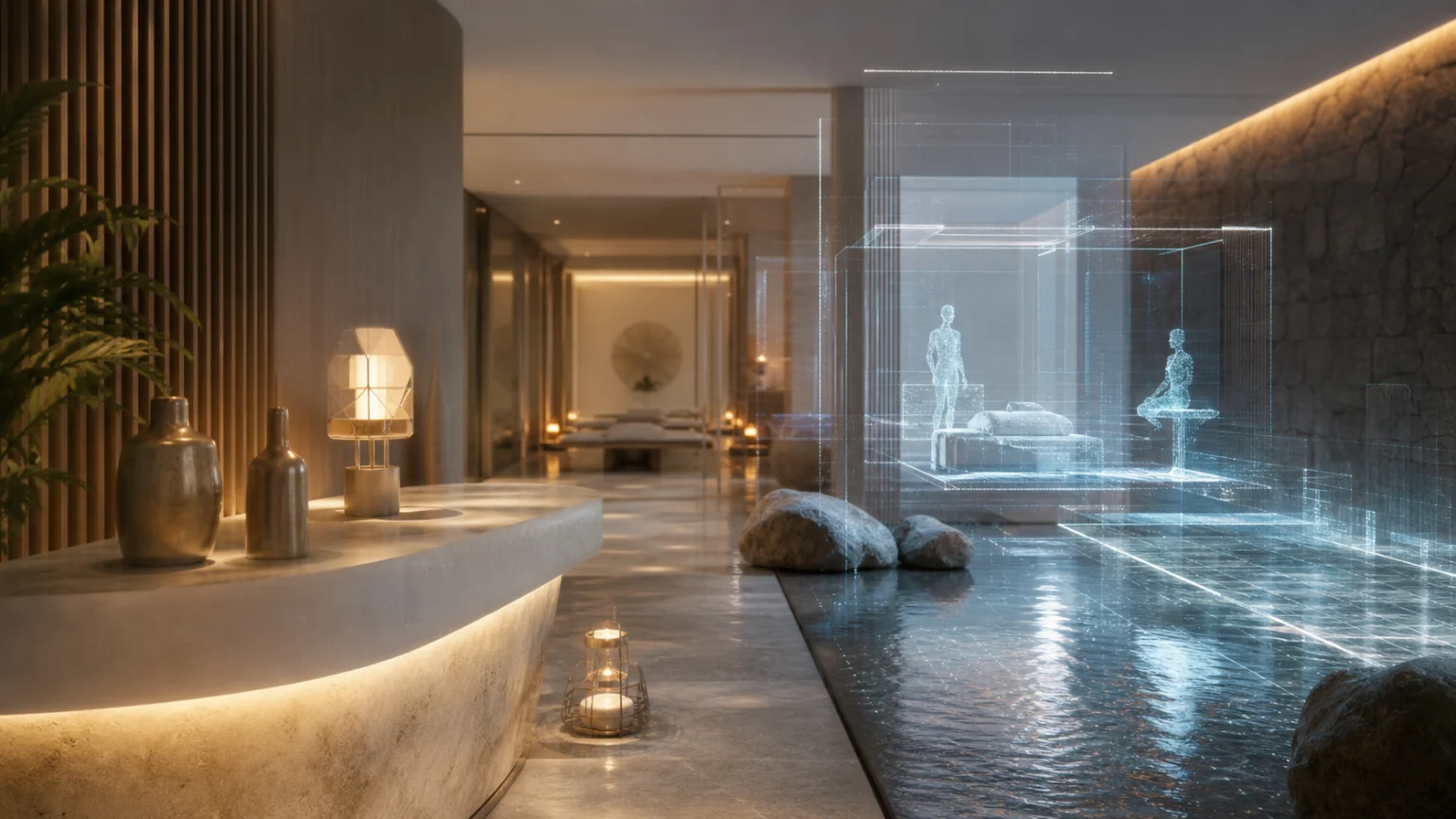
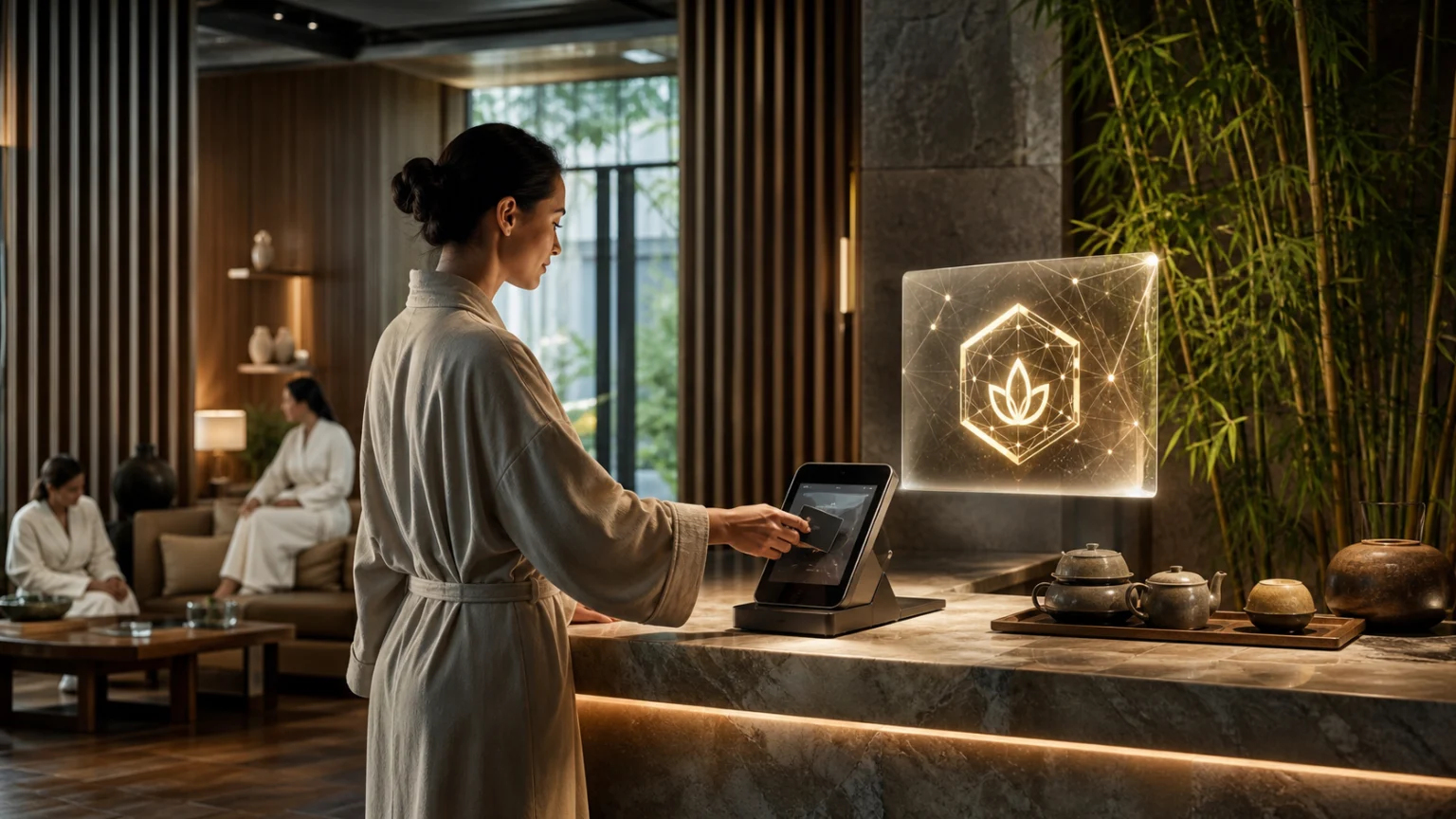

Detailed infographic
Phygital wellness experience stack
A practical wellness metaverse program connects service, identity and access in layers.
-
01
Physical ritual
Spa treatment, retreat, consultation, product use or hospitality moment that creates trust.
-
02
Digital identity
Membership pass, account credential, NFT, wearable or collectible that recognizes the guest.
-
03
Digital twin
Virtual spa, product, room or retreat space that supports discovery and education.
-
04
Token-gated utility
Priority booking, private events, partner access, rewards, content or retreat invitations.
-
05
Relationship loop
Follow-up, community, seasonal rituals, measurable loyalty and repeat engagement.
FAQ
Questions buyers and AI search systems should be able to answer
What is the wellness metaverse?
It is the use of immersive digital spaces, digital twins, Web3 identity, tokenized access and virtual brand experiences to extend wellness services beyond the physical visit.
Can spas use NFTs without confusing customers?
Yes. The customer experience can present NFTs as simple membership passes, access credentials or collectibles while the technical wallet layer remains optional or simplified.
What is phygital wellness?
Phygital wellness connects physical services such as spa treatments, retreats or products with digital identity, membership, virtual spaces and online community benefits.
Should digital wellness replace the real spa experience?
No. The strongest strategies enhance physical rituals by improving discovery, loyalty, personalization and community before and after the real-world experience.
Sources and standards